
Rodents in Your Home: The Hidden Problems They Cause and How to Get Rid of Them
Discovering a mouse or rat in your home can be unsettling—but a rodent problem is more than an unpleasant nuisance. Rodents in the home can cause serious property damage, contaminate food, create unpleasant odors, and potentially expose your family to disease. The longer a rodent infestation goes untreated, the more difficult and expensive it can become.
The good news? With fast action, effective rodent control, and the right prevention strategies, you can protect your home and reclaim your peace of mind.
Why Are Rodents Such a Serious Problem?
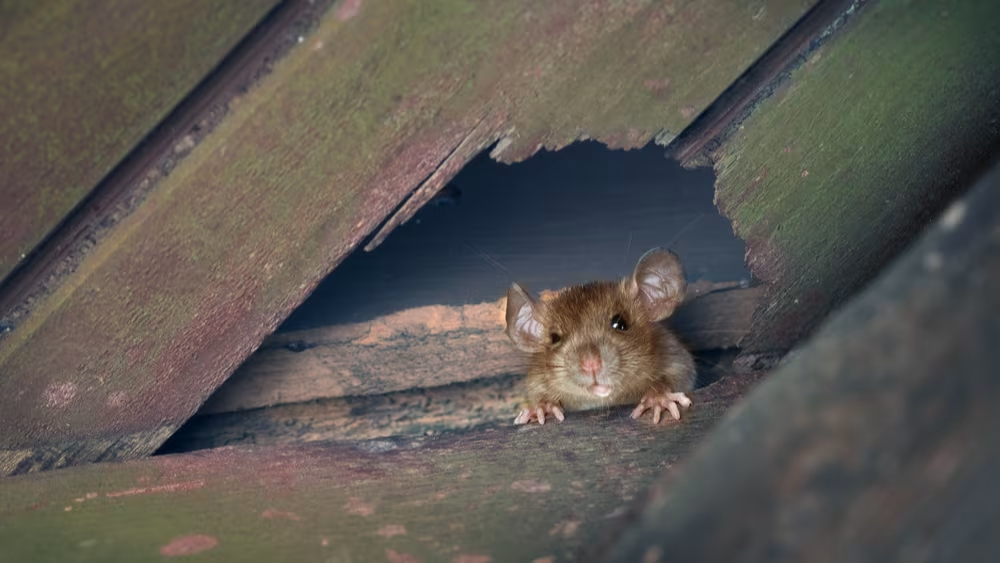
Mice and rats are remarkably adaptable pests. They can squeeze through surprisingly small openings, find hidden sources of food and water, and build nests in walls, attics, crawl spaces, garages, and other secluded areas.
According to the Centers for Disease Control and Prevention (CDC), rodents can spread diseases through contact with their urine, droppings, saliva, and contaminated materials. Rodents can also carry fleas, ticks, and mites that may transmit disease.
That means even if you rarely see a mouse or rat, there could still be an active rodent infestation inside your property.
For additional information about protecting your property from pests, visit our home pest prevention guide.
5 Problems Rodents Can Cause in Your Home
1. Rodents Can Spread Disease
One of the most concerning dangers of a rodent infestation is the potential for disease transmission.
Rodents can contaminate surfaces, food, and other household items with urine, feces, and saliva. Some diseases associated with rodents include salmonellosis, leptospirosis, rat-bite fever, and certain hantavirus infections.
Rodent waste can also become a problem when it is disturbed. The CDC specifically warns against sweeping or vacuuming dry rodent droppings because doing so can potentially put contaminated particles into the air.
If you discover significant amounts of droppings, nesting material, or other evidence of an infestation, professional rodent removal may be the safest solution.
2. Mice and Rats Can Damage Your Property
Rodents constantly gnaw because their teeth continue to grow. Unfortunately, that can mean serious damage inside your home.
They may chew:
- Electrical wiring
- Insulation
- Drywall
- Wood
- Food packaging
- Plumbing materials
- Stored belongings
Chewed electrical wiring is particularly concerning because damaged wiring can create a potential fire hazard. Rodents may also create holes and passageways that allow additional pests to enter your home.
If you notice unexplained chewing or damage, our pest inspection services can help identify where rodents may be entering and hiding.
3. Rodents Contaminate Food and Surfaces
A mouse doesn’t need to eat much to create a problem. Rodents can move through cabinets, pantries, countertops, garages, and storage areas while leaving behind droppings and urine.
The EPA recommends keeping food, garbage, and potential food sources securely contained to discourage rats and mice from establishing themselves.
If you find evidence that rodents have contacted food, it is better to take a cautious approach and discard potentially contaminated items rather than risk consuming them.
4. Rodent Infestations Can Create Unpleasant Odors
A persistent musty or unpleasant odor can sometimes indicate rodents are hiding somewhere you can’t easily see.
Rodent urine, droppings, nesting materials, and—in some cases—dead rodents can create strong odors. These smells may become particularly noticeable inside walls, attics, crawl spaces, and other enclosed areas.
Finding and eliminating the source is essential. Simply masking the odor with air fresheners won’t solve the underlying infestation.
5. Rodents Can Reproduce Quickly
Seeing one mouse doesn’t necessarily mean there’s only one mouse.
Rodents can establish nests in hidden areas where they have access to food, water, and shelter. That’s why identifying how rodents are getting inside is just as important as removing the rodents already inside.
A successful rodent control strategy should address the current infestation while also preventing future rodents from entering.
How to Get Rid of Rodents
If you suspect mice or rats are inside your home, don’t ignore the warning signs. Taking action early can help prevent a small problem from becoming a major infestation.
Step 1: Look for Signs of Rodent Activity
Common signs include:
- Mouse or rat droppings
- Gnaw marks
- Scratching or scampering sounds
- Nesting materials
- Damaged food packaging
- Greasy marks along walls
- Unusual odors
- Holes or gaps around the home
The EPA identifies droppings, nesting materials, chewing damage, entry holes, and stale odors as common indicators of a rodent infestation.
Step 2: Eliminate Food and Water Sources
Make your home less attractive to rodents by removing easy access to food and water.
Store food in tightly sealed containers and clean up spills promptly. Keep garbage in containers with secure lids, and avoid leaving pet food or water out overnight.
The EPA recommends this type of prevention as part of Integrated Pest Management (IPM)—an approach that combines prevention, exclusion, monitoring, and appropriate pest-control methods.
Step 3: Seal Rodent Entry Points
Rodent-proofing your home is one of the most effective ways to prevent future infestations.
Inspect areas around:
- Doors and windows
- Pipes and utility lines
- Vents
- Foundations
- Cabinets
- Attics
- Crawl spaces
- Garages
- Roof and soffit areas
According to the CDC, mice can squeeze through an opening approximately 1/4 inch (6 mm) wide. Small gaps can be sealed with appropriate materials, while larger openings may require metal hardware cloth, cement, or other durable materials.
For more prevention tips, explore our rodent-proofing checklist.
Step 4: Use Traps Carefully
If rodents are already inside, traps can help reduce the population. The CDC recommends traditional snap traps and advises keeping traps and bait away from children and pets.
However, trapping alone may not solve the problem if rodents continue entering through hidden gaps or if a nest is located somewhere inaccessible.
That’s why comprehensive rodent extermination and prevention should focus on both removal and exclusion.
Step 5: Clean Rodent Droppings Safely
Never simply sweep or vacuum dry rodent droppings.
The CDC recommends thoroughly wetting droppings, urine, and nesting materials with an appropriate disinfectant and allowing the product to sit according to the product instructions before cleaning them up. Gloves should be worn, and hands should be washed thoroughly afterward.
Heavy infestations may require additional protective equipment and professional cleanup.
When Should You Call a Professional Rodent Control Company?
If you’ve spotted multiple rodents, repeatedly found fresh droppings, heard activity inside your walls or attic, or discovered extensive contamination or property damage, it’s time to consider professional help.
A qualified pest professional can identify entry points, locate signs of nesting, determine the extent of the infestation, and develop a targeted rodent removal plan.
Professional help is especially valuable when rodents have entered difficult-to-reach areas such as wall voids, attics, crawl spaces, or ventilation systems.
Protect Your Home From Rodents Before They Become a Bigger Problem
Rodents are more than an irritating household pest. They can cause property damage, contaminate food, create unpleasant odors, and potentially expose your household to rodent-borne diseases.
The most effective strategy is proactive: eliminate food and water sources, maintain a clean environment, seal potential entry points, monitor for signs of activity, and respond quickly when you notice evidence of rodents.
If you think you may have a rodent infestation, don’t wait for the problem to get worse. Early intervention can save you time, money, and unnecessary stress.
For expert assistance, contact us today to learn more about our rodent control services and discover how we can help you create a safer, healthier, rodent-free home.
SEO keyword suggestions
Primary keyword: rodent control
Secondary keywords:
- rodents in the home
- rodent infestation
- how to get rid of rodents
- rodent removal
- mouse infestation
- rat infestation
- pest control
- rodent prevention
- rodent extermination
- signs of rodents
- mice in the house
- rats in the house
- how to prevent rodents
Suggested SEO title:
Rodents in Your Home: Problems They Cause & How to Get Rid of Them
Suggested meta description:
Learn what problems rodents can cause in your home, how to spot the warning signs, and proven ways to prevent and eliminate mice and rats.
Suggested URL slug:
/rodents-in-the-home
The CDC and EPA links above provide authoritative external references, while the /pest-prevention, /pest-inspection, /rodent-proofing, and /rodent-control links are internal-link placeholders—replace them with the corresponding URLs on your website.
:::