Why Mold and Termite Inspections Are Essential for Southern Homes
Living in the South has plenty of advantages: warm weather, beautiful landscapes, long summers, and charming homes. But the same warm, humid conditions that make the region so appealing can also create the perfect environment for mold and termites.
For homeowners throughout the South, regular mold and termite inspections are more than a routine maintenance task—they are a powerful way to protect your property, your investment, and your peace of mind.
Whether you are buying a home, selling one, or simply taking care of the property you already own, a professional inspection can uncover hidden problems before they become expensive repairs.
The Southern Climate Creates Unique Home Risks
Hot, humid conditions are common across much of the Southeast. According to the U.S. Environmental Protection Agency (EPA), moisture control is the key to preventing indoor mold growth. Mold can begin growing when spores land on damp surfaces, and persistent moisture problems can allow growth to continue.
That makes areas such as crawl spaces, attics, bathrooms, kitchens, basements, and around plumbing particularly important to inspect.
Southern homes can also face significant termite pressure. University of Georgia Cooperative Extension notes that subterranean termites are particularly abundant in the South and Southeast and are among the most economically important wood-destroying pests in the United States.
In other words, mold and termites are hidden threats that Southern homeowners should take seriously.
Why a Mold Inspection Matters
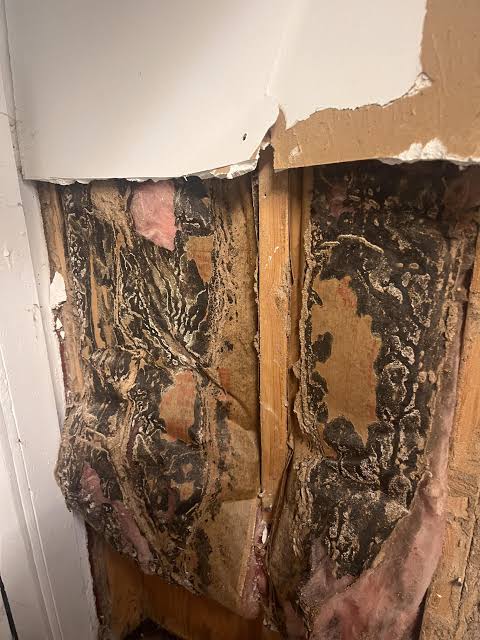
Mold is not always obvious. A small patch on a wall may be easy to spot, but hidden mold can develop behind walls, underneath flooring, inside crawl spaces, around plumbing, or in attics where moisture has gone unnoticed.
A professional mold inspection can help identify potential moisture problems and areas where mold may be growing.
Some warning signs include:
-
Musty or earthy odors
-
Visible discoloration on walls or ceilings
-
Water stains
-
Peeling or bubbling paint
-
Persistent condensation
-
Damp crawl spaces
-
Recent flooding or water damage
-
Plumbing or roof leaks
-
Excessive indoor humidity
The EPA recommends addressing moisture problems quickly because wet materials can become susceptible to mold growth. Drying wet areas within approximately 24–48 hours can help prevent mold from developing.
For additional information, homeowners can review the EPA’s mold and moisture guidance.
Internal link opportunity: Link the phrase mold inspection services to your company’s Mold Inspection service page.
Termites Can Cause Serious Structural Damage
Termites are particularly concerning because they can remain hidden for long periods.
Subterranean termites live in the soil and can enter structures to reach wood. According to UGA Cooperative Extension, these termites excavate galleries through wood as they feed, potentially leaving behind only a thin exterior layer.
That means a home can appear perfectly normal while termites are quietly damaging structural components.
Common warning signs include:
-
Mud tubes along foundations or crawl-space walls
-
Discarded wings near windows or doors
-
Swarming termites
-
Hollow-sounding or damaged wood
-
Cracked or blistered wood surfaces
-
Termite droppings or frass in certain infestations
-
Doors or windows that suddenly become difficult to open
Importantly, the absence of visible termites does not necessarily mean the property is termite-free. UGA Cooperative Extension recommends professional inspections as an important preventative strategy for homeowners.
Internal link opportunity: Link termite inspection services to your company’s Termite Inspection or Pest Inspection page.
Why You Should Consider Both Inspections
Mold and termites are different problems, but they can overlap in the same areas of a home—especially crawl spaces, foundations, attics, and other locations where moisture and wood are present.
A thorough inspection can help identify conditions that deserve attention before they turn into costly, stressful, and disruptive problems.
For example, excessive moisture can contribute to mold growth and can also create conditions that make portions of a property more attractive to certain pests. Meanwhile, damaged wood from termites can create additional repair concerns.
UGA’s home inspection guidance recommends checking areas such as crawl spaces, foundations, walls, ceilings, attics, and exterior drainage for moisture and other warning signs.
Mold and Termite Inspections Are Especially Important When Buying a Home
If you are purchasing a home in the South, a standard home inspection is an important part of the process—but additional inspections may provide valuable information about specific risks.
A dedicated mold inspection can investigate signs of moisture and potential mold problems, while a termite or wood-destroying organism inspection can look for evidence of termite activity and other concerns involving structural wood.
Finding a problem before closing may give you an opportunity to investigate repairs, request appropriate documentation, or better understand the condition of the property.
For sellers, inspections can also provide an opportunity to discover potential issues before listing the property. Addressing problems early can help prevent unpleasant surprises during negotiations.
Internal link opportunity: Link home inspection checklist to your existing home inspection or pre-listing inspection page.
Protect Your Home With Preventative Inspections
One of the most powerful ways to protect a Southern home is to be proactive rather than reactive.
Instead of waiting until you discover a major leak, extensive mold growth, or visible termite damage, schedule inspections as part of your property’s ongoing maintenance strategy.
Homeowners should also watch for moisture around roofs, gutters, plumbing fixtures, foundations, crawl spaces, and HVAC systems. The EPA recommends keeping indoor humidity below 60%, with 30–50% being an ideal range when possible.
For termites, professional inspections are especially valuable because trained inspectors know where to look for subtle evidence that homeowners may overlook.
Don’t Let Hidden Problems Become Expensive Problems
Your home is one of your most significant investments. Don’t leave its protection to chance.
A professional mold and termite inspection can provide valuable insight into hidden conditions that may otherwise go unnoticed. Whether you’re a homeowner, buyer, seller, landlord, or property manager, early detection can help you make informed decisions and address problems before they become overwhelming.
The South offers a wonderful place to live—but its warm, humid climate also demands smart home maintenance.
Protect your investment. Detect hidden problems. Prevent costly surprises.
If you suspect moisture, mold, termites, or wood damage, schedule a professional inspection and get the answers you need.
Internal link opportunity: Add a strong call-to-action link such as Schedule Your Inspection Today pointing to your booking/contact page.
Helpful Resources
For additional information about protecting your home, visit:
Suggested SEO Keywords
Primary keyword: mold and termite inspections
Secondary keywords: mold inspection, termite inspection, termite inspection in the South, Southern home inspection, mold inspection services, termite damage, termite prevention, mold prevention, crawl space inspection, home inspection, wood destroying insects, moisture inspection, residential termite inspection, home maintenance