
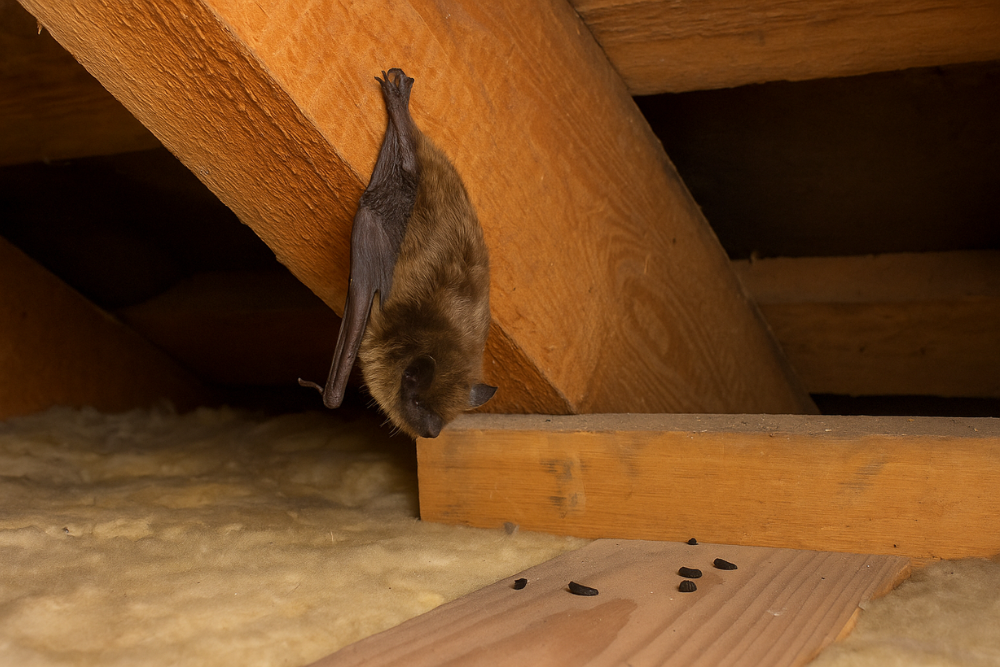
The Dangers of Bats in the Attic: What Every Homeowner Needs to Know
Discovering bats in your attic can be an unsettling experience. While bats play an important role in the ecosystem by controlling insect populations, a bat infestation in your attic can create serious health, safety, and property concerns if it is not addressed properly.
From potentially hazardous bat guano to the risk of rabies exposure, homeowners should never ignore signs of bats in the attic. Understanding the dangers of bats and knowing how to respond quickly can help protect your family, your home, and your health.
Why Are Bats Dangerous in the Attic?
Bats are naturally drawn to dark, quiet, sheltered spaces. Unfortunately, an attic can provide the ideal environment for a bat colony. Once bats discover a small opening in your roof, soffit, fascia, chimney, or another part of the structure, they may return repeatedly.
The good news is that bats generally avoid people and are not naturally aggressive. However, bats inside a home can create health risks, particularly when people or pets come into direct contact with them.
The Centers for Disease Control and Prevention (CDC) reports that bats are the most frequently reported rabies-positive animal in the United States. Importantly, not every bat has rabies, but a bite or scratch can be difficult to notice because bat teeth are extremely small.
If you find a bat inside your living space, avoid touching it. If you believe you or a family member may have been exposed, contact a healthcare professional or your local health department promptly.
CDC: Preventing Rabies from Bats
The Hidden Danger of Bat Guano
One of the biggest concerns associated with a bat infestation in an attic is accumulated bat droppings, commonly called guano.
Over time, a large bat colony can leave substantial amounts of waste behind. Bat droppings can create unpleasant odors, damage insulation, and contribute to unsanitary conditions.
More importantly, disturbing accumulated bat guano can create a potential histoplasmosis exposure risk.
Histoplasmosis is a fungal infection caused by Histoplasma. The fungus can grow in soil and materials contaminated with bird or bat droppings. When contaminated material becomes disturbed, microscopic fungal spores can become airborne and potentially be inhaled.
This is why homeowners should think twice before simply sweeping, vacuuming, or removing large quantities of dry bat droppings themselves.
The CDC recommends that large amounts of bird or bat droppings be cleaned by professional companies experienced in hazardous-waste or contaminated-material cleanup.
CDC: Reducing Risk for Histoplasmosis
Bat Droppings Can Become a Serious Cleanup Problem
A small amount of guano may not seem alarming, but a long-term attic bat infestation can result in significant accumulation.
When contaminated material is disturbed, dust and particles can become airborne. The CDC specifically advises against dry sweeping or shoveling accumulated bat or bird droppings because these activities can increase aerosolization.
Professional bat removal and attic cleanup services can evaluate the extent of contamination and determine whether insulation or other affected materials need to be removed or replaced.
This can be particularly important when an attic has housed bats for an extended period.
Bats Can Damage Your Home
Health concerns aren’t the only reason to take bats in the attic seriously.
A persistent bat colony can contribute to:
- Accumulated bat guano and urine
- Strong, unpleasant odors
- Contaminated or damaged insulation
- Staining around attic areas
- Increased insect activity
- Damage to areas surrounding entry points
- Potential problems with ventilation and air quality
The longer bats remain in an attic, the greater the opportunity for waste and contamination to accumulate.
That makes early bat detection and professional bat exclusion an important part of protecting your property.
How Do Bats Get Into Attics?
One of the most surprising facts about bats is how little space they need to enter a structure. According to the CDC, bats can enter through openings as small as approximately ¼ inch.
Common entry points include:
- Roofline gaps
- Soffits and fascia
- Chimneys
- Attic vents
- Gable vents
- Roof intersections
- Gaps around pipes and utility penetrations
- Damaged roofing materials
Finding the entry point is a crucial part of solving a bat problem in the attic. Simply removing visible bats without addressing how they got inside may allow the problem to return.
Why You Shouldn’t Seal the Attic Too Soon
One of the biggest mistakes homeowners make is immediately sealing every opening they can find.
If bats are still inside, sealing their entry point can trap them inside the structure. Depending on the season and species, young bats may also be unable to leave if their mothers are excluded.
The National Park Service recommends working with appropriate wildlife professionals or natural-resource agencies and avoiding bat exclusion during periods when bats cannot safely leave their roost, including maternity periods and certain winter conditions.
Professional humane bat removal generally focuses on exclusion—allowing bats to leave while preventing them from returning—rather than simply trapping or killing the animals.
What Should You Do If You Have Bats in Your Attic?
If you suspect bats are living in your attic, don’t panic. Take these steps:
- Avoid touching the bats.
- Keep children and pets away from the affected area.
- Look for signs of bat activity, such as droppings, stains, odors, or bats emerging around dusk.
- Do not disturb large amounts of guano.
- Contact a qualified wildlife or bat-removal professional.
- Have potential entry points identified and properly addressed.
- Arrange professional attic cleanup if significant contamination is present.
If a bat has entered your living area or someone may have been bitten or scratched, contact your local health department or healthcare provider for guidance. The CDC emphasizes that bat bites can be difficult to detect and recommends seeking medical advice following possible exposure.
Protect Your Home Before the Problem Gets Worse
A bat colony in your attic can quickly become a serious and potentially hazardous problem. Although bats are valuable wildlife and should be treated humanely, homeowners should not ignore the health risks associated with rabies exposure, accumulated guano, and potential histoplasmosis exposure.
The most effective long-term strategy is professional bat exclusion and prevention. Identifying entry points, allowing bats to safely leave, sealing vulnerable areas at the appropriate time, and addressing contaminated attic materials can help prevent the problem from returning.
If you hear scratching or squeaking in your attic, notice bats flying around your roof at dusk, or discover bat droppings, don’t wait until the infestation becomes overwhelming. Early action can protect your health, preserve your property, and prevent costly attic damage.
For additional information, homeowners can consult these authoritative resources:
- CDC — Preventing Rabies from Bats
- CDC — Histoplasmosis Prevention
- National Park Service — Bats in Buildings
SEO keywords naturally included: bats in attic, dangers of bats in the attic, bat infestation, bat removal, bat exclusion, attic bat removal, bat guano, bat droppings, histoplasmosis, rabies and bats, humane bat removal, attic cleanup, bats in the house, and professional bat removal.