
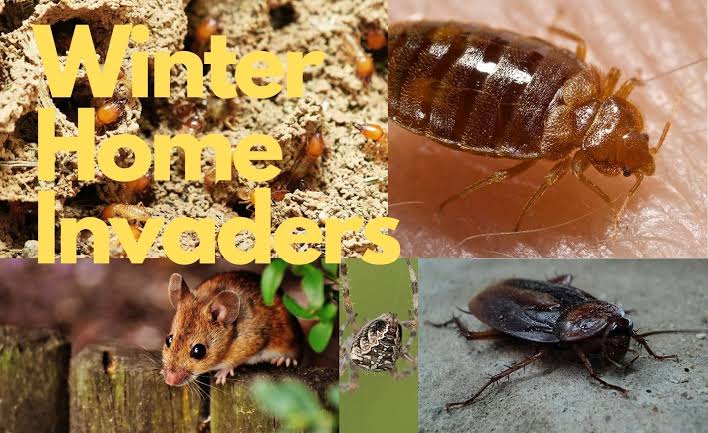
Unconventional Ways to Keep Pests Out of Your Home This Fall and Winter: Clever Tricks That Actually Work!
When the Weather Gets Colder, Your Home Becomes a Five-Star Resort for Pests!
As temperatures begin to drop, homeowners aren’t the only ones looking for a warm, comfortable place to escape the elements. Mice, rats, spiders, stink bugs, cockroaches, ants, and countless other unwanted visitors are also searching for shelter. Unfortunately, your home may look like the perfect winter getaway!
While traditional pest control methods are helpful, there are several unconventional ways to discourage pests from entering your home in the first place. Some involve simple changes to your landscaping, others require a little creativity, and a few may surprise you.
The good news? Many of these methods are inexpensive, relatively easy to implement, and can help protect your home from unwanted infestations.
Let’s explore some clever ways to keep pests outside where they belong!
1. Change Your Outdoor Lighting to Make Your Home Less Attractive to Insects
Here’s something many homeowners don’t realize: Your outdoor lighting could be attracting unwanted guests!
Many flying insects are attracted to artificial lighting. When insects gather around exterior lights, spiders and other predatory insects may follow because they have found an easy food source.
The unconventional solution: Consider replacing traditional white outdoor bulbs with yellow, amber, or warmer-colored LED lighting.
Why does this work?
Certain wavelengths of light are less attractive to many insects than traditional cool-white lighting. According to the University of Georgia Cooperative Extension, yellow, red, and sodium-vapor lighting can be less attractive to insects.
You can take this one step further by positioning outdoor lights away from your doors and windows rather than directly beside them. This helps move insect activity away from the areas where pests are most likely to enter your home.
Bonus tip: Install motion-activated lighting. Keeping unnecessary exterior lights off when they aren’t needed can further reduce the number of insects gathering around your home.
2. Use Copper Mesh or Steel Wool to Block Unwanted Entry Points
You probably wouldn’t think that something as simple as steel wool could help protect your home from mice and other rodents, but it can be surprisingly useful!
Mice can squeeze through incredibly small openings. A hole approximately the diameter of a pencil can be large enough for a mouse to enter your home.
The unconventional solution: Inspect areas where plumbing pipes, electrical wiring, HVAC lines, and other utilities enter your home. Look for openings around these penetrations.
Small gaps can sometimes be temporarily blocked with copper mesh or appropriately installed rodent-resistant materials. For more permanent protection, use a suitable sealant or repair material compatible with the surrounding construction.
Why does this work?
Rodents are persistent chewers. Unlike soft materials that can be easily gnawed through, properly installed metal mesh creates a physical obstacle that makes entry more difficult.
Pay particular attention to:
- Openings beneath kitchen and bathroom sinks.
- Gaps around HVAC refrigerant lines.
- Plumbing penetrations through exterior walls.
- Openings around electrical service entrances.
- Cracks around basement and crawlspace penetrations.
Important: Never block combustion air openings, dryer exhausts, plumbing vents, or other openings that require ventilation. Use appropriate pest-resistant covers and materials for each application.
3. Move Your Firewood Away From the House
This one may sound obvious to some homeowners, but it is a commonly overlooked pest-prevention strategy.
During colder months, many homeowners begin storing additional firewood for fireplaces and wood-burning stoves. Unfortunately, firewood piles can become excellent hiding places for insects, spiders, termites, ants, and even rodents.
The unconventional solution: Store firewood away from your home’s exterior walls and keep it elevated off the ground.
Why does this work?
Wood piles provide shelter, moisture, and protection from changing temperatures. When firewood is stacked directly against your home, pests have an easy opportunity to move from their outdoor hiding places into siding gaps, foundation openings, and other vulnerable areas.
The National Pest Management Association recommends keeping firewood at least 20 feet away from the home and elevated at least five inches off the ground.
Additionally, bring inside only the amount of firewood you intend to burn immediately. Avoid storing large quantities indoors.
This simple change can significantly reduce the likelihood of accidentally inviting unwanted pests into your home.
Source: https://www.pestworld.org/news-hub/pest-articles/keeping-the-home-pest-free-in-winter/
4. Pay Attention to Moisture Around Your Foundation
Here’s an interesting fact: Some pests aren’t necessarily looking for warmth. They’re looking for moisture!
Earwigs, silverfish, cockroaches, pill bugs, and other moisture-loving pests are frequently associated with damp environments.
When temperatures change and rainfall increases, moisture can accumulate around foundations, crawlspaces, basements, and other vulnerable areas.
The unconventional solution: Create a dry perimeter around your home.
Consider these steps:
- Move excessive mulch away from the foundation.
- Remove wet leaves and accumulated debris.
- Correct downspouts that discharge directly beside the home.
- Make sure gutters are clean and functioning properly.
- Avoid overwatering landscaping near exterior walls.
- Eliminate standing water around the foundation.
Why does this work?
Reducing moisture makes the immediate area around your home less attractive to pests that depend on damp conditions.
It also helps discourage conditions that can contribute to wood deterioration, fungal growth, and other moisture-related problems.
This is especially important for homes with crawlspaces, where excessive moisture can create an inviting environment for insects and other unwanted visitors.
5. Inspect Your Houseplants Before Bringing Them Indoors
This is one of the most overlooked ways pests enter homes!
As temperatures drop, many homeowners bring outdoor plants inside to protect them from freezing temperatures. Unfortunately, those plants may be carrying unwanted passengers.
Ants, aphids, fungus gnats, spider mites, and other small insects can hide in leaves, stems, and potting soil.
The unconventional solution: Treat your plants like visitors entering your home. Give them a thorough inspection before bringing them indoors.
Try the following:
- Inspect the undersides of leaves for insects and eggs.
- Examine stems and branches for unusual clusters or damage.
- Check the surface of the soil for crawling insects.
- Remove dead leaves and organic debris.
- Isolate newly introduced plants from existing houseplants for a period of observation.
Why does this work?
Many household pests are introduced accidentally through plants, soil, and other materials brought inside from outdoors.
A little inspection can prevent a small outdoor pest problem from becoming an indoor infestation.
6. Use Your Nose: Eliminate Odors That Attract Rodents
Mice and rats have an incredible sense of smell, and they are constantly searching for food.
Even small amounts of food residue can attract rodents. A forgotten bag of pet food in the garage, crumbs beneath appliances, or an improperly sealed garbage container can provide an easy meal.
The unconventional solution: Think of your garage, basement, and pantry as potential food sources that need to be secured.
Instead of storing food in cardboard boxes or thin plastic bags, transfer dry goods, birdseed, and pet food into sturdy containers with tight-fitting lids.
Also consider:
- Cleaning beneath refrigerators and stoves.
- Removing food debris from garage floors.
- Washing garbage containers regularly.
- Cleaning outdoor grills after use.
- Avoiding overnight pet food left in accessible locations.
Why does this work?
You are eliminating the food sources that encourage rodents to investigate your property and remain nearby.
Removing accessible food, water, and shelter is an important part of an effective integrated pest management strategy.
7. Use a Simple Flashlight Test to Discover Hidden Pest Entry Points
This may be one of the easiest and most useful tricks homeowners can perform without purchasing anything!
The unconventional solution: At night, turn off the interior lights and carefully inspect exterior doors, windows, and other accessible openings with a flashlight.
Look for light entering around doorframes, beneath doors, and through gaps around windows.
You can also inspect garage doors and sliding glass doors for visible openings.
Why does this work?
If light can pass through an opening, insects and other pests may be able to use that same opening to enter your home.
Keep in mind that not every opening that admits light is large enough for every pest. However, even small gaps deserve attention.
A properly installed door sweep, fresh weatherstripping, or an appropriate sealant can eliminate many of these entry points.
According to the University of Illinois Extension, gaps as small as 1/16 inch can allow insects and spiders to enter buildings, while openings around 1/4 inch can be large enough for mice.
Source: https://extension.illinois.edu/blogs/good-growing/2023-09-29-tips-keeping-pests-out-your-home
8. Don’t Forget Your Attic, Roofline, and Exterior Vents
Most homeowners concentrate on doors and windows when thinking about pest prevention. However, some of the most vulnerable areas of a home are located above eye level.
Attics, rooflines, soffits, fascia boards, gable vents, and roof penetrations can provide excellent access for squirrels, mice, bats, birds, and insects.
The unconventional solution: Perform a ground-level inspection of your roofline and exterior ventilation openings before winter arrives.
Look for:
- Damaged or missing soffit panels.
- Loose fascia boards.
- Torn attic vent screens.
- Openings around roof penetrations.
- Damaged chimney caps.
- Gaps around exterior utility penetrations.
Why does this work?
These areas often provide protected access to warm attic spaces and wall cavities. Once pests enter these areas, they may establish nests, damage insulation, contaminate materials, and even chew electrical wiring.
Make sure vent screens and covers are appropriate for their intended purpose. Never seal required ventilation openings simply to keep pests out.
Also, before sealing any suspected animal entry point, make sure wildlife isn’t already inside. Professional wildlife exclusion may be necessary for bats, squirrels, raccoons, and other animals.
What About Peppermint Oil, Dryer Sheets, and Ultrasonic Pest Repellents?
You’ve probably seen countless online suggestions claiming that peppermint oil, dryer sheets, coffee grounds, or ultrasonic devices can keep mice and insects away.
While some odors may temporarily influence the behavior of certain insects, homeowners should be careful about relying on these remedies as their primary pest-control strategy.
According to the University of Georgia’s Integrated Pest Management program, ultrasonic devices have little to no demonstrated effectiveness against rats and mice.
Homemade odor-based repellents are also generally unreliable for preventing rodent infestations.
The bottom line? Don’t spend a fortune on gimmicks when proven methods such as sealing entry points, eliminating moisture, removing food sources, and maintaining your home’s exterior can provide much more dependable protection.
Source: https://ipm.uga.edu/2025/12/19/rats-and-mice-get-them-out-of-your-house-and-yard/
Final Thoughts: Don’t Let Your Home Become a Winter Shelter for Pests!
When colder weather arrives, pests are naturally going to search for warmer, safer places to survive. Unfortunately, your home may provide everything they need.
The best defense against unwanted visitors is a proactive approach to pest prevention. Simple changes to outdoor lighting, firewood storage, landscaping, moisture management, and food storage can make your property less attractive to pests.
However, even the most creative prevention methods won’t help if your home has hidden structural openings that allow pests to enter.
That’s why a thorough home inspection is so important.
At Very Good Home Inspections, we believe homeowners deserve to know what’s happening with their property, including potential conditions that could contribute to pest intrusion. Identifying damaged exterior materials, moisture concerns, deteriorated wood, and visible openings can help homeowners address problems before they become expensive headaches.
Whether you’re purchasing a home or maintaining the one you already own, don’t wait until you hear scratching in the attic or discover insects crawling across your kitchen floor.
Protect your investment. Identify potential problems early. And remember: The best pest control strategy is keeping pests from getting inside in the first place!
For more information about protecting your home, visit Very Good Home Inspections and schedule a professional home inspection.
SEO Title: Unconventional Ways to Keep Pests Out of Your Home This Fall and Winter
Focus Keyword: Keeping Pests Out of Your Home
Suggested URL Slug: unconventional-ways-keeping-pests-out-of-home
Meta Description: Discover unconventional ways to keep pests out of your home this fall and winter. Learn effective pest prevention tips to stop mice, insects, spiders, and other unwanted invaders.