Why Is My HVAC System Producing Moisture? Causes, Prevention & the Importance of Routine HVAC Maintenance
Your HVAC system plays a critical role in keeping your home comfortable, cool, and healthy throughout the year. But when you begin noticing excess moisture, water around your air conditioner, condensation on ductwork, or a clogged condensate drain, it can be a warning sign that something isn’t working properly.
While some moisture is a normal part of air conditioning operation, excessive moisture should never be ignored. Left untreated, HVAC moisture problems can contribute to water damage, unpleasant odors, reduced efficiency, and conditions that encourage mold growth.
Understanding the causes of HVAC moisture — and taking proactive steps to prevent it — can help protect your home and your HVAC system.
Why Does an HVAC System Produce Moisture?
Air conditioning systems naturally remove moisture from indoor air. As warm, humid air passes over the system’s cold evaporator coil, water vapor can condense into liquid water. That moisture is normally collected in a condensate pan and carried away through a condensate drain line.
The EPA notes that cooling coils are designed to remove water from the air and that condensate pans need to drain properly to prevent moisture problems.
However, several problems can cause an HVAC system to produce, collect, or distribute excessive moisture.
1. A Clogged Condensate Drain
One of the most common causes of HVAC water problems is a blocked condensate drain line. Dirt, algae, dust, and other debris can accumulate inside the drain, preventing water from flowing away from the system.
When the drain becomes clogged, water may back up into the condensate pan and eventually overflow. This can result in water damage, ceiling stains, damaged insulation, and other expensive repairs.
ENERGY STAR specifically recommends checking the condensate drain during routine HVAC maintenance because a plugged drain can cause water damage and affect indoor humidity.
2. Dirty Air Filters
A dirty or neglected air filter can restrict airflow through your HVAC system. Reduced airflow can interfere with the system’s ability to operate efficiently and may contribute to problems with cooling and moisture removal.
ENERGY STAR recommends checking HVAC filters monthly and cleaning or replacing them when necessary.
3. High Indoor Humidity
High humidity can make an HVAC system work harder to maintain a comfortable environment. Excess indoor moisture can come from cooking, showering, dryers, plumbing leaks, poor ventilation, and humid outdoor air entering the home.
The EPA recommends maintaining indoor relative humidity between 30% and 50% when possible, while keeping it below 60% to help reduce the potential for mold growth.
4. Poorly Insulated or Leaking Ductwork
Cold HVAC ductwork can develop condensation when warm, humid air comes into contact with cold surfaces. This is particularly concerning when ducts run through attics, crawl spaces, garages, or other unconditioned areas.
Properly sealing and insulating ductwork can help reduce condensation and prevent moisture from entering the HVAC system.
5. An Improperly Sized HVAC System
An oversized air conditioner may cool your home quickly but shut off before it has enough time to adequately remove humidity from the air.
According to the EPA, an oversized system can cycle on and off frequently, resulting in poor moisture removal, particularly in humid climates.
How Can You Prevent HVAC Moisture Problems?
Fortunately, homeowners can take several proactive steps to reduce the risk of excessive HVAC moisture.
Change or clean your air filter regularly. A clean filter promotes proper airflow and helps your system operate more efficiently.
Keep condensate drains clear. Your HVAC technician should inspect the condensate pan and drain line during routine maintenance to ensure water can flow freely.
Monitor indoor humidity. A simple humidity meter can help you identify excessive moisture before it becomes a serious problem. The EPA recommends keeping indoor humidity around 30%–50% when possible.
Inspect ductwork and insulation. Look for condensation, water stains, damaged insulation, or obvious leaks around accessible ductwork.
Use ventilation. Exhaust fans in bathrooms and kitchens can help remove moisture before it spreads throughout your home.
Address leaks immediately. Plumbing leaks, roof leaks, and other sources of water intrusion can contribute to serious moisture problems and should be repaired promptly.
Why Routine HVAC Maintenance Is So Important
One of the most effective ways to prevent unexpected HVAC moisture problems is routine professional maintenance.
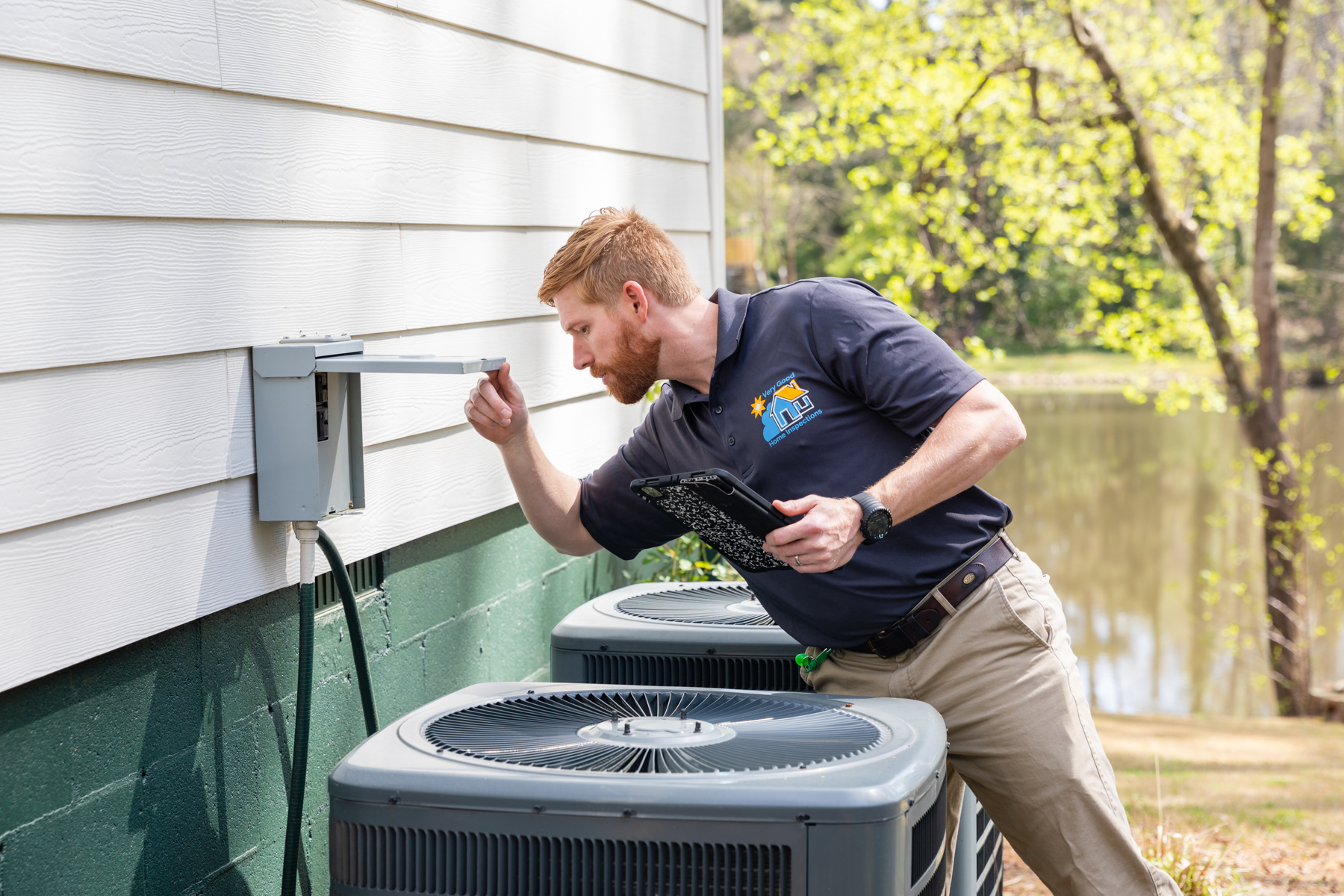
During an HVAC inspection, a qualified technician can identify developing problems before they turn into costly emergencies. A professional maintenance visit may include inspecting the condensate drain, checking coils, examining electrical components, evaluating airflow, checking system controls, and looking for signs of leaks or abnormal moisture.
ENERGY STAR recommends annual pre-season HVAC checkups, with cooling systems ideally inspected in the spring and heating systems checked in the fall.
Routine maintenance isn’t simply about keeping your system running. It can help improve energy efficiency, indoor comfort, system reliability, and equipment longevity while reducing the risk of unexpected breakdowns.
Don’t Ignore the Warning Signs
If you notice water leaking from your HVAC system, excessive condensation, musty odors, unexplained humidity, water stains, or standing water around the indoor unit, don’t ignore the warning signs.
Moisture problems can become significantly more expensive when they’re allowed to continue. The EPA emphasizes that moisture control is the key to controlling indoor mold growth, making prompt attention to water and humidity problems especially important.
Your HVAC system should make your home more comfortable — not create a hidden moisture problem.
By changing filters, controlling indoor humidity, keeping condensate drains clear, maintaining proper insulation, and scheduling routine HVAC inspections, you can take powerful preventative steps to protect your home and your investment.
Protect Your HVAC System Before a Small Problem Becomes a Major Repair
Don’t wait until a clogged drain, water leak, or condensation problem causes expensive damage. Professional HVAC maintenance is a smart, proactive investment that can help keep your system operating efficiently and your home comfortable year-round.
For more information about moisture control and HVAC maintenance, visit the U.S. Environmental Protection Agency and ENERGY STAR HVAC maintenance resources.