
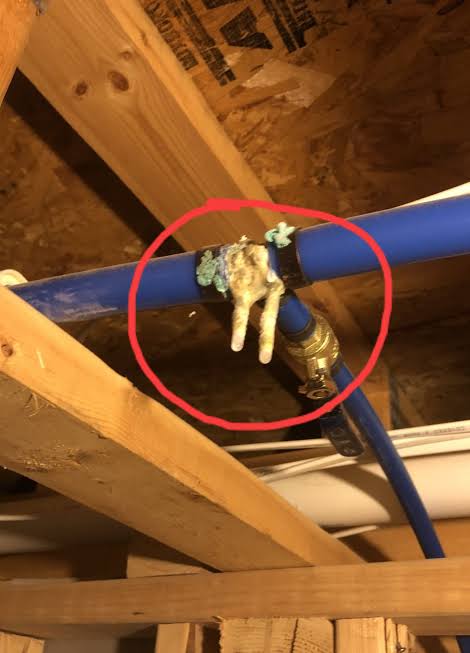
The Hidden Dangers of Plastic Plumbing Pipes: What Homeowners Need to Know About PEX
When purchasing a home or maintaining your current property, one of the most important systems to pay attention to is the plumbing. While many homeowners are familiar with traditional copper and galvanized plumbing, modern construction increasingly relies on plastic plumbing pipes, including PEX (cross-linked polyethylene).
PEX plumbing has become extremely popular because it is flexible, relatively inexpensive, and easier to install than many traditional plumbing materials. However, despite these advantages, there are some important concerns homeowners should understand before overlooking their home’s plastic plumbing system.
From potential chemical leaching and water quality concerns to improper installation and premature deterioration, PEX plumbing pipes have potential disadvantages that every homeowner should know about.
What Are PEX Pipes and Why Are They So Popular?
PEX stands for cross-linked polyethylene. It is a flexible plastic piping material commonly used for residential hot and cold water supply lines.
Unlike traditional copper pipes, PEX can bend around corners, reducing the need for multiple fittings and connections. Its flexibility, affordability, and resistance to certain types of corrosion have made it a popular choice among builders and plumbing contractors.
However, just because a material is widely used does not mean homeowners should ignore its limitations.
Understanding the potential problems with PEX plumbing can help homeowners recognize warning signs before they turn into expensive repairs.
1. Potential Chemical Leaching Into Drinking Water
One of the biggest concerns homeowners have about plastic plumbing pipes is whether chemicals can migrate from the pipe material into their drinking water.
PEX pipes are manufactured using chemical processes and additives. Depending on the specific product, small amounts of substances may be released into the water as it passes through the plumbing system.
Some homeowners have reported unusual tastes or odors associated with newly installed PEX plumbing.
It is important to understand that chemical detection does not automatically mean a health hazard exists. Products intended for drinking water applications should meet applicable safety requirements, including NSF/ANSI/CAN 61 certification, which evaluates the potential health effects of materials that contact drinking water.
Homeowners should verify that their plumbing materials are properly certified and approved for potable water use.
For additional information, visit the NSF guide to the safety of PEX plumbing products.
2. Sunlight and UV Exposure Can Damage PEX Pipes
Another significant disadvantage of PEX plumbing is its vulnerability to ultraviolet (UV) radiation.
Prolonged exposure to direct sunlight can damage the material and negatively affect its long-term performance. This is especially important when PEX pipes are improperly stored outdoors or installed in locations where they receive excessive sunlight.
Even indirect or reflected sunlight can contribute to UV exposure.
Over time, excessive exposure can weaken the piping material and reduce its expected service life.
Proper installation requires following the manufacturer’s specific UV exposure limitations. PEX should generally be protected from prolonged sunlight exposure unless the particular product is specifically designed and approved for the application.
This is one reason why a professional plumbing evaluation can be valuable when inspecting unfinished basements, crawlspaces, and other areas where plumbing lines may be exposed.
3. High Temperatures and Chemical Exposure Can Affect Pipe Life
Although PEX is designed for hot and cold water distribution, it still has operating limitations.
Excessive temperatures, aggressive water chemistry, and certain disinfectants can contribute to premature deterioration.
For example, chlorine dioxide, which may be used in some water disinfection applications, can be particularly aggressive toward cross-linked polyethylene piping.
Certain combinations of high temperatures, pressure, and aggressive water conditions can also accelerate oxidation and potentially cause the material to become brittle.
This does not mean ordinary household water will automatically damage PEX. However, it demonstrates why proper material selection, manufacturer specifications, and installation standards are essential.
The Plastics Pipe Institute’s PEX technical guidance provides additional information about chlorine resistance and operating conditions.
4. Improper Installation Can Lead to Expensive Water Damage
One of the most overlooked problems with PEX plumbing isn’t necessarily the material itself. It is improper installation.
PEX systems require appropriate fittings, connections, support, and installation techniques. Poor workmanship can create problems that may eventually result in leaks.
Some potential installation concerns include:
- Improperly installed fittings and connections.
- Kinked or damaged piping.
- Inadequate pipe support.
- Excessive bending or tension.
- Improper protection where pipes pass through framing members.
- Failure to follow manufacturer installation requirements.
A small plumbing leak can quickly become a major headache, especially when it occurs behind walls, underneath flooring, or in concealed areas.
Water intrusion can contribute to wood deterioration, damaged insulation, structural concerns, and potentially harmful mold growth.
Catching these problems early can save homeowners thousands of dollars in unexpected repairs.
5. Plastic Pipes Are Not Indestructible
Another misconception is that plastic plumbing systems are maintenance-free.
Although PEX offers several advantages over traditional plumbing materials, it is not immune to damage.
Physical damage, rodents, excessive UV exposure, improper installation, and unfavorable operating conditions can all affect plumbing performance.
Homeowners should pay attention to visible signs of trouble, including:
- Water stains around plumbing lines.
- Dampness in crawlspaces or basements.
- Unexplained increases in water bills.
- Unusual odors or changes in water taste.
- Visible cracks, kinks, or damaged piping.
- Corrosion or deterioration around metal fittings.
Ignoring these warning signs can allow relatively minor plumbing issues to develop into costly property damage.
6. Why a Professional Home Inspection Matters
Whether you are purchasing a home or maintaining your existing property, understanding the condition of the plumbing system is essential.
A professional home inspection can help identify visible concerns involving PEX and other plumbing materials, including improper installation, damaged piping, leaking connections, and other readily observable deficiencies.
It is also important to remember that not every plumbing concern is visible during a standard home inspection. Concealed piping conditions and the chemical composition of drinking water generally require additional evaluation or specialized testing.
At Very Good Home Inspections, we understand how important it is to know what is happening behind the walls and throughout your home.
Our goal is to help homeowners and prospective buyers make informed decisions by identifying observable problems and bringing attention to areas that may require further evaluation.
Learn more about our home inspection services and discover why choosing an experienced home inspection company can make such a tremendous difference.
Final Thoughts: Don’t Overlook Your Home’s Plumbing System!
PEX and other plastic plumbing materials offer several advantages, but homeowners should never assume that every plumbing system is installed correctly or operating as intended.
Potential chemical migration, UV exposure, aggressive water conditions, and improper installation are all important considerations when evaluating plastic plumbing pipes.
The best defense against unexpected plumbing problems is awareness, routine maintenance, and professional evaluation when concerns arise.
Don’t wait until a small plumbing issue becomes a devastating and expensive water damage problem. Understanding your home’s plumbing system today can help protect your investment tomorrow.
When it comes to protecting your home, trust the experience and attention to detail of Very Good Home Inspections. Your home is one of your biggest investments, and knowing its condition is the first step toward protecting it.
SEO optimization details
Here are the recommended Rank Math SEO settings for this article.
| SEO element | Recommendation |
|---|---|
| Focus keyword | Dangers of PEX plumbing |
| SEO title | Dangers of PEX Plumbing: 6 Hidden Risks Homeowners Should Know |
| URL slug | dangers-of-pex-plumbing |
| Meta description | Discover the potential dangers of PEX plumbing, including chemical leaching, UV damage, installation problems, and costly water leaks. |
| Secondary keyword | Plastic plumbing pipes |
| Secondary keyword | PEX pipe problems |
| Secondary keyword | PEX plumbing dangers |
| Secondary keyword | Plastic water pipes |
| Secondary keyword | Home plumbing inspection |
External authority links included
These are reputable resources that support the information in the article.
-
NSF – Safety of PEX Plumbing Products – Drinking water safety and chemical migration.
-
Plastics Pipe Institute – PEX Chlorine Resistance – Chemical exposure and pipe deterioration.
-
NSF – Faucets and Plumbing Products – Drinking water plumbing material standards.
-
Plastics Pipe Institute – PEX Design Guide – Installation and performance considerations.
Internal links for VGHI
I recommend keeping these internal links in the article to strengthen your website’s SEO and encourage visitors to explore your services.