Hardboard Siding Problems: How to Identify, Repair, and Prevent Costly Damage
Hardboard siding was once a popular choice for homeowners looking for an affordable, attractive exterior. Unfortunately, this type of siding can develop serious problems when exposed to moisture, potentially leading to wood rot, mold growth, structural damage, and expensive repairs. Knowing how to identify hardboard siding and recognize early warning signs can help you protect your home before minor issues become costly disasters.
Whether you’re buying a home, maintaining an older property, or concerned about deteriorating exterior walls, understanding the common problems with hardboard siding is essential. Here’s how to identify this siding material, spot potential damage, and determine when it’s time to call a professional.
What Is Hardboard Siding?
Hardboard siding is an engineered wood product manufactured from compressed wood fibers and other materials. It was commonly used on residential homes because it offered the appearance of traditional wood siding at a relatively affordable price.
Unlike solid wood siding, hardboard siding is manufactured by compressing wood fibers into dense sheets or boards. Although this process creates an attractive exterior material, hardboard siding is vulnerable to moisture intrusion, particularly when its protective paint or sealant deteriorates.
When water penetrates the material, the wood fibers can swell, soften, and eventually break down. Once significant deterioration occurs, repairing the affected areas may not be enough to prevent further damage.
7 Common Problems With Hardboard Siding
Understanding the warning signs of failing hardboard siding can help you address problems before they spread throughout your home.
1. Moisture Damage and Swelling
Moisture intrusion is one of the most common problems associated with hardboard siding. Rainwater, humidity, and water from improperly functioning gutters can penetrate exposed edges, damaged paint, and poorly sealed joints.
As the material absorbs water, it may swell, warp, or develop an uneven appearance. Repeated exposure can permanently weaken the siding and compromise its protective function.
Warning signs include:
- Swollen or distorted siding boards.
- Bulging areas along exterior walls.
- Edges that appear thicker than surrounding sections.
- Paint that repeatedly cracks or peels.
Addressing drainage problems and maintaining the exterior finish can help prevent additional moisture damage.
2. Wood Rot and Deterioration
One of the most serious hardboard siding problems is wood rot. When moisture remains trapped in or behind the siding, it creates conditions that allow wood-decay fungi to damage susceptible materials.
Rot often develops around windows, doors, corners, and the lower edges of siding boards. These areas are particularly vulnerable because water can collect there or enter through failed seals.
Look for soft, crumbly, discolored, or deteriorating siding. If the material feels unusually soft when gently pressed, moisture damage may already be advanced.
Important: Visible deterioration may indicate that the underlying wall materials have also been affected. A professional inspection can help determine the extent of the damage.
3. Peeling, Cracking, and Blistering Paint
Paint serves as an important protective barrier for many types of hardboard siding. When that coating fails, moisture can penetrate the exposed material and accelerate deterioration.
If you notice paint peeling shortly after repainting, don’t automatically assume the problem is poor paint quality. Persistent peeling may indicate moisture intrusion, deteriorating siding, or inadequate surface preparation.
Watch for bubbling paint, cracked finishes, exposed edges, and recurring paint failure.
Repainting can help maintain siding that remains sound, but paint alone will not repair siding that has already swollen, rotted, or lost its structural integrity.
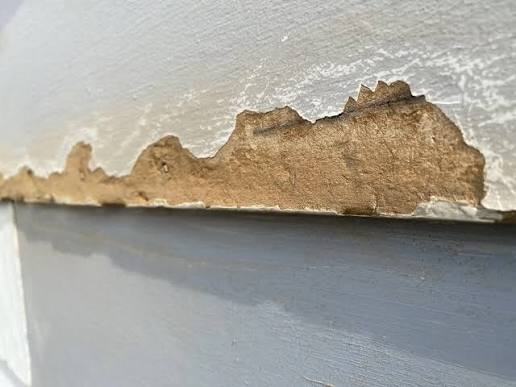
4. Swollen or Delaminating Edges
The edges of hardboard siding are especially susceptible to water absorption. Once moisture penetrates these areas, the material can expand and separate.
This deterioration may appear as raised edges, peeling layers, or rough, swollen sections along the bottom of siding boards.
Damaged edges are more than a cosmetic concern. They can create additional entry points for moisture, allowing deterioration to spread.
5. Mold and Mildew Growth
Excess moisture around deteriorating siding can contribute to mold and mildew growth. You might notice dark stains, greenish discoloration, or persistent organic growth on exterior surfaces.
However, mold or mildew on the outside of a home does not automatically mean the siding has failed. Shaded areas, high humidity, and limited airflow can also encourage surface growth.
The bigger concern is persistent moisture behind the siding, where hidden damage may develop without obvious exterior signs.
If you suspect moisture has reached the wall cavity, a qualified professional can investigate further.
6. Cracking, Warping, and Loose Boards
As hardboard siding deteriorates, boards may crack, bow, warp, or pull away from the wall.
These problems can allow rainwater and pests to enter vulnerable areas. Loose or damaged boards may also indicate that the material or its fasteners have weakened.
Inspect the exterior after severe weather and pay close attention to areas around rooflines, windows, doors, and corners.
Never ignore siding that has separated from the wall. Prompt repairs can help prevent water intrusion and further deterioration.
7. Expensive Repairs and Reduced Home Value
Hardboard siding that has suffered extensive moisture damage can become an expensive maintenance problem.
Depending on the severity, repairs may involve replacing individual boards, correcting drainage issues, repairing damaged sheathing, or installing new siding.
If the damage is widespread, replacing the affected siding may be more practical than repeatedly repairing deteriorating sections.
Visible siding damage can also affect curb appeal and raise concerns during a home inspection. Addressing problems early may help protect your investment and prevent more extensive repairs.
How to Tell If Your Home Has Hardboard Siding
Not sure what type of siding is installed on your house? Several clues can help you identify hardboard siding.
Look at the Surface and Board Pattern
Hardboard siding often resembles painted wood siding and may feature horizontal lap boards, vertical panels, or textured wood-grain patterns.
Because other siding materials can look similar, appearance alone cannot confirm the material.
Inspect Exposed Edges
Where safely visible, examine the edges of a siding board. Hardboard siding typically has a dense, compressed wood-fiber composition rather than the distinct grain of solid lumber.
Look for manufactured layers or a uniform fiberboard-like interior. Avoid breaking or cutting into the siding just to identify it.
Check for Manufacturer Markings
Some hardboard siding products have identifying information printed or stamped on the back of a panel or board.
If an existing piece has already been removed during a repair, check for manufacturer names, product codes, or other markings. These details may help you identify the siding type.
Consider the Home’s Age and Renovation History
Hardboard siding was widely used on homes built or renovated during the late twentieth century. If your home has older painted siding that resembles engineered wood, hardboard may be worth investigating.
However, the home’s age is only a clue, not proof. Homes can have replacement siding installed decades after their original construction.
Ask for a Professional Inspection
When visual clues are inconclusive, a siding professional can help identify the material and evaluate its condition.
An inspection may reveal moisture damage, deteriorating joints, failing paint, and other issues that are difficult to identify from the ground.
Never rely on appearance alone when deciding whether your siding needs replacement. An accurate identification and condition assessment can help you choose the right solution.
Can Hardboard Siding Be Repaired, or Should It Be Replaced?
The answer depends on the extent of the damage.
Repair may be appropriate when:
- Damage is limited to a small number of boards.
- The surrounding siding remains firm and intact.
- Moisture sources can be identified and corrected.
- The protective finish can be restored successfully.
Replacement may be the better option when:
- Multiple sections show widespread swelling or rot.
- Boards repeatedly deteriorate after repairs.
- Moisture damage extends behind the siding.
- The siding has widespread delamination or structural deterioration.
A professional should also investigate the underlying cause of the damage. Replacing siding without correcting leaking gutters, improper flashing, or other moisture sources can allow the same problem to return.
How to Prevent Hardboard Siding Problems
Although hardboard siding can be vulnerable to moisture, proper maintenance may help extend its service life.
Follow these essential preventative steps:
- Maintain the paint finish: Repair peeling or damaged paint promptly using products appropriate for your siding.
- Keep gutters clean: Make sure downspouts direct water away from exterior walls and the foundation.
- Inspect caulking and flashing: Check vulnerable joints around windows, doors, and other openings.
- Keep sprinklers away from siding: Repeatedly spraying exterior walls can increase moisture exposure.
- Maintain proper clearance: Keep soil, mulch, and vegetation from trapping moisture against the siding.
- Inspect regularly: Check your home’s exterior at least annually and after significant weather events.
- Address leaks quickly: Repair roof, gutter, plumbing, and drainage problems before they cause additional damage.
Routine maintenance is one of the most effective ways to identify developing problems before they turn into expensive repairs.
Protect Your Home With a Professional Siding Inspection
Hardboard siding problems can begin with small warning signs, such as peeling paint or swollen edges, and gradually develop into more extensive moisture damage.
If your siding is soft, warped, cracked, or repeatedly losing its protective finish, don’t wait until the damage becomes severe. Identifying the material and determining the source of the problem are essential first steps toward protecting your home.
A professional siding inspection can help you understand the condition of your exterior, identify vulnerable areas, and determine whether targeted repairs or replacement make the most sense.
Concerned about your home’s siding? Contact our team today to schedule an inspection and get professional guidance on protecting your property from moisture damage.