The Hidden Dangers of Pesticides in Golf Course Communities: What Every Homeowner Should Know
Meta Title: Dangers of Pesticides in Golf Course Communities | Health & Environmental Risks
Meta Description: Discover the hidden dangers of pesticides used in golf course communities, including potential health risks, water contamination, and environmental concerns for homeowners and families.
The Hidden Dangers of Pesticides in Golf Course Dangers of Pesticides in Golf Course Communities | Health & Environmental Risks
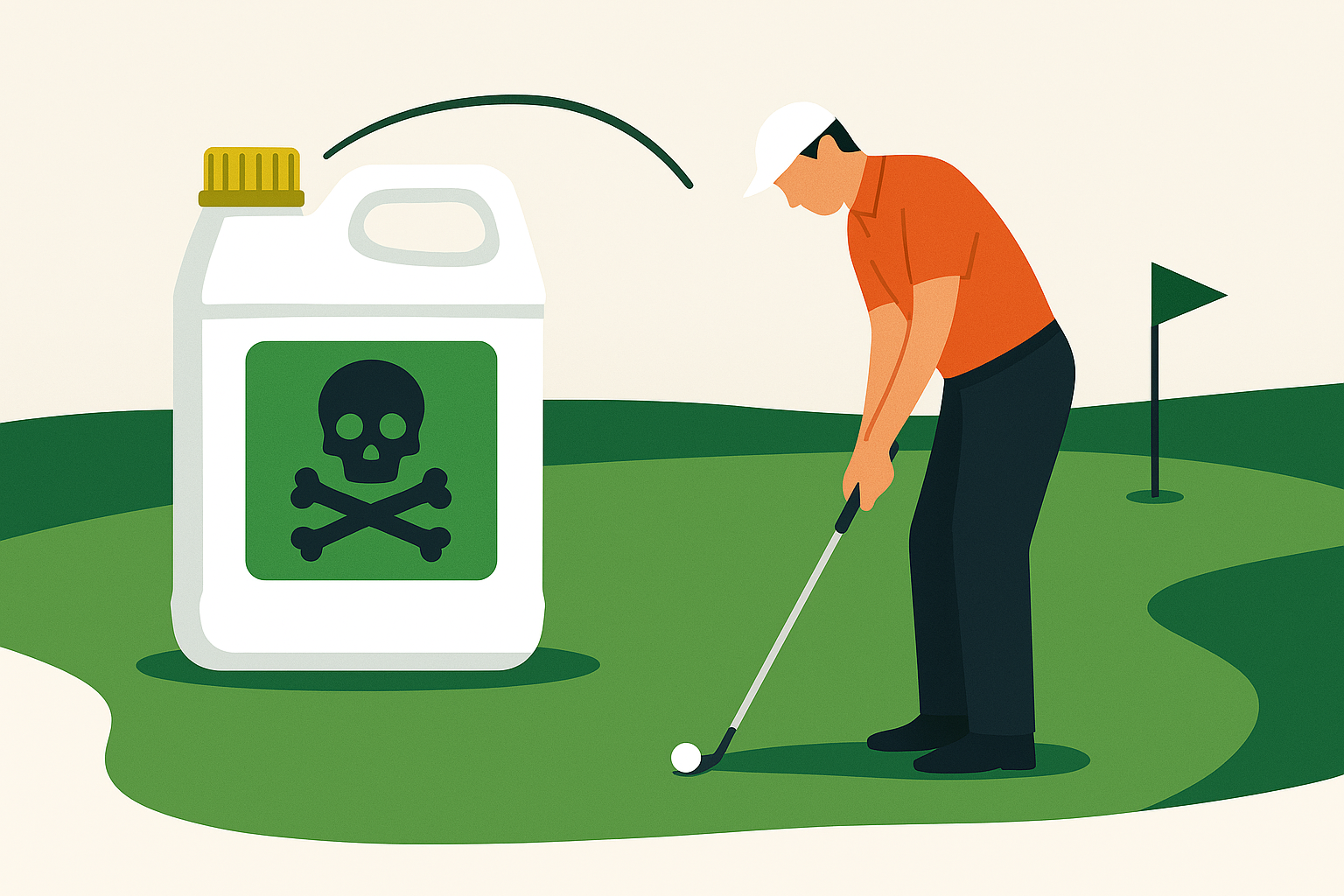
Golf course communities are often marketed as luxurious, peaceful, and scenic places to live. Manicured fairways, pristine landscapes, and beautiful green spaces attract thousands of homeowners each year. However, beneath those picture-perfect lawns may lie a serious concern that many residents overlook: the widespread use of pesticides, herbicides, and chemical fertilizers.
While golf courses work hard to maintain their lush appearance, the chemicals used to achieve those results can pose potential risks to human health, pets, wildlife, and local water supplies. Understanding these dangers is essential for homeowners considering a move to a golf course community or those already living near one.
What Chemicals Are Commonly Used on Golf Courses?
To maintain flawless turf year-round, many golf courses rely on a combination of:
- Herbicides to control weeds
- Insecticides to eliminate pests
- Fungicides to prevent turf diseases
- Chemical fertilizers to encourage rapid growth
These products are often applied multiple times throughout the year. Although many are approved for use by regulatory agencies, repeated applications can increase environmental exposure and raise concerns about long-term effects.
For more information about environmental health concerns, visit the U.S. Environmental Protection Agency (EPA):
https://www.epa.gov/pesticides
Potential Health Risks for Residents
One of the most alarming concerns surrounding golf course pesticides is human exposure. Residents living adjacent to fairways, greens, and maintenance areas may be exposed through airborne drift, contaminated soil, or water runoff.
Respiratory Problems
When pesticides are sprayed, fine particles can become airborne and travel beyond the intended application area. This phenomenon, known as pesticide drift, may expose nearby residents to chemical residues.
Potential symptoms may include:
- Coughing
- Wheezing
- Eye irritation
- Headaches
- Breathing difficulties
Children, older adults, and individuals with pre-existing respiratory conditions may be particularly vulnerable.
Long-Term Health Concerns
Research continues to examine the relationship between long-term pesticide exposure and chronic health conditions. Some studies have explored potential links between certain pesticide exposures and:
- Neurological disorders
- Hormonal disruption
- Reproductive issues
- Certain cancers
While exposure levels vary significantly depending on location and chemical type, many public health experts recommend minimizing unnecessary pesticide exposure whenever possible.
Learn more about protecting your family’s health on our Environmental Health Resources page.
Water Contamination Risks
One of the most significant hidden dangers in golf course communities is the potential for water contamination.
Heavy rainfall and irrigation can carry pesticide residues into:
- Nearby lakes and ponds
- Groundwater supplies
- Stormwater systems
- Local rivers and streams
Over time, chemical runoff may affect water quality and aquatic ecosystems.
According to the U.S. Geological Survey (USGS), pesticides have been detected in both surface water and groundwater in various regions across the United States.
Learn more:
https://www.usgs.gov/special-topics/water-science-school
Risks to Children and Pets
Children and pets often spend considerable time outdoors, making them more likely to encounter pesticide-treated areas.
Young children may be exposed through:
- Playing in grass
- Touching contaminated surfaces
- Hand-to-mouth activity
Pets can also absorb chemicals through their paws, skin, or by ingesting treated grass.
Some common signs of pesticide exposure in pets may include:
- Vomiting
- Excessive drooling
- Lethargy
- Skin irritation
Residents should pay close attention to posted treatment notices and avoid recently treated areas whenever possible.
Visit our Homeowner Safety Guide for additional outdoor safety tips.
Environmental Impact on Wildlife
The dangers of golf course pesticides extend beyond human health.
Birds, pollinators, fish, amphibians, and beneficial insects may all be affected by chemical exposure. Pollinators such as bees and butterflies are particularly important because they support plant reproduction and local ecosystems.
Potential environmental consequences include:
- Reduced biodiversity
- Pollinator decline
- Aquatic ecosystem disruption
- Harm to beneficial insects
- Soil degradation
Many environmental organizations advocate for integrated pest management (IPM) strategies that reduce reliance on chemical treatments while maintaining healthy landscapes.
How Homeowners Can Reduce Their Risk
Fortunately, residents living in golf course communities can take proactive steps to limit exposure.
Stay Informed
Request information from golf course management regarding:
- Chemical application schedules
- Products being used
- Safety protocols
- Environmental monitoring programs
Improve Home Filtration
High-quality HVAC and water filtration systems may help reduce exposure to airborne particles and contaminants.
Keep Windows Closed During Applications
If spraying is scheduled nearby, keeping windows closed can help reduce indoor exposure.
Wash Outdoor Surfaces
Regularly cleaning patios, outdoor furniture, and play equipment may help remove chemical residues.
Support Sustainable Landscaping Practices
Many golf courses are adopting environmentally responsible maintenance programs that use fewer chemicals and prioritize ecosystem health.
Learn more about sustainable living in our Green Community Resources section.
The Bottom Line
Golf course communities offer beautiful views and desirable amenities, but homeowners should understand the potential risks associated with pesticide use. From water contamination and environmental damage to possible health concerns for families and pets, the effects of long-term exposure deserve careful consideration.
The good news is that awareness, education, and responsible management practices can help reduce these risks significantly. By staying informed and advocating for sustainable landscaping solutions, residents can enjoy the benefits of golf course living while protecting their health and the environment.
SEO Keywords
Golf course pesticides, pesticide exposure, golf course community health risks, dangers of pesticides, pesticide drift, water contamination, environmental health, golf course living, herbicide exposure, insecticide risks, pesticide runoff, sustainable landscaping, environmental safety, homeowner health concerns, golf course environmental impact.