
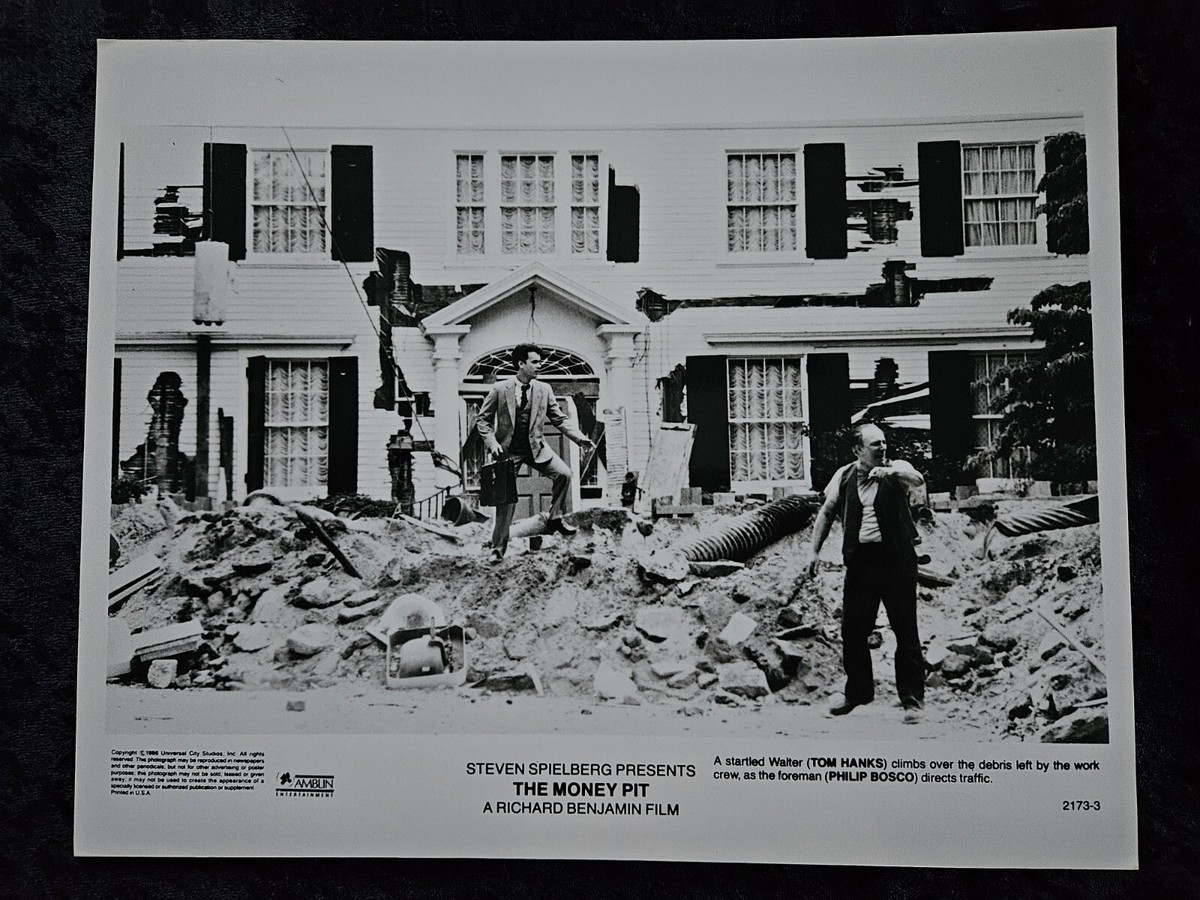
🏠 Is This Home a Time Bomb? How to Tell if a Property Is a Money Pit Before You Buy
Buying a home should be one of the most exciting investments in your life — not a financial nightmare. Yet, every year countless buyers unknowingly purchase properties that drain savings, energy, and peace of mind. Before you sign on the dotted line, you need to know how to spot a money pit — a house that demands endless repairs, skyrocketing costs, and constant maintenance. Let’s dive into the red flags that scream “danger!” and what to do about them.
🔍 1. Structural Red Flags: The Hidden Killers
The foundation is literally what holds your home up — and if it’s compromised, your finances could crumble with it.
-
Cracks in walls, floors that slope, stuck doors, and gaps between trim and walls are indicators of structural stress or shifting soil. These often point to foundation problems that can cost $5,000–$40,000 or more to address.
-
Uneven floors or ceilings that look “off” aren’t cosmetic — they’re expensive trouble waiting to happen.
Structural issues are the ultimate wallet drainers because they often require professional engineering, major repairs, and can delay move-in timelines dramatically.
👉 Pro Tip: If you see these signs, consider hiring a structural engineer for an objective evaluation.
💦 2. Water Problems: The Silent Destroyers
Water damage is the silent killer in many homes — especially those hidden behind walls or under floors.
-
Water stains on ceilings, warped walls, and musty or moldy smells are massive red flags. Those signs often indicate ongoing leak issues that could lead to rot, structural decay, and health problems.
-
Persistent water issues can also lead to mold growth — which is expensive to remediate and dangerous for your health, especially for children and sensitive adults.
👉 Insider Tip: Look closely around windows, bathrooms, basements, and attics, where moisture damage often starts. Mold cleanup can range from thousands to tens of thousands of dollars depending on severity.
🕷️ 3. Pests & Termites: Eat Up Your Equity
Termite damage is one of the most deceptive threats to your property value.
-
Termites build mud tubes and chew through wood silently — sometimes for years. If you spot discarded wings, wood that sounds hollow when tapped, or fine sawdust near wooden structures, take it seriously.
-
Termite damage and infestations can weaken key structural components and end up costing far more than the home’s original purchase price if left untreated.
👉 Action Step: Always request a pest inspection in addition to a general home inspection.
⚡ 4. Outdated Systems: Electrical & Plumbing Time Bombs
Old or unsafe electrical wiring and plumbing systems can be more than inconvenient — they can be hazardous.
-
Outdated wiring (like knob-and-tube or aluminum) and deteriorating pipes present both safety hazards and costly updates.
-
Rewiring a home or replacing plumbing can quickly reach into the tens of thousands of dollars, especially in older properties.
👉 What to Ask: “When were the systems last updated?” If the answer is “I’m not sure” — that’s not reassuring. Assume budgets for major system updates if documentation is missing.
🏚️ 5. Roof & Window Wear: Where the Elements Attack
Your roof and windows are the home’s first line of defense against weather.
-
Roofs typically last 20–30 years, but missing shingles, sagging rooflines, and water stains on interior ceilings all indicate potential failure.
-
Windows that don’t open smoothly, show condensation, or have damaged seals aren’t just annoying — they leak energy and can signal deeper rot issues.
👉 Money Saver: Ask the seller for roof age, inspection reports, or whether upgrades were made. If that info is missing, plan for replacement costs.
🔎 6. Too Good to Be True Pricing? Proceed With Caution
If a home is listed well below comparable properties, there’s usually a reason:
-
A bargain price might reflect serious unseen issues — from zoning complications to structural trouble.
-
Extremely low pricing without a clear explanation should activate your alert radar — in real estate, sensational bargains often come with sensational surprises.
👉 Rule of Thumb: Always compare prices with nearby homes (known as comps). A shocking discount demands investigation.
🧠 Final Wisdom: Due Diligence Is Your Superpower
Buying a home without proper inspection is like signing a blank check. A professional home inspection isn’t just a formality — it’s your investment protection strategy.
💡 A certified inspector can uncover hidden defects, give you repair cost estimates, and even provide negotiating leverage — potentially saving you tens of thousands of dollars.
🏁 Conclusion: Protect Your Dream Home and Your Wallet
The difference between a dream home and a money pit often comes down to awareness and preparation. By learning the key warning signs — structural issues, water damage, pests, outdated systems, and suspicious pricing — you empower yourself to make a confident, informed decision.
Don’t let enthusiasm rush you into a costly mistake. With the right knowledge and the right team (inspector, agent, and engineer), you can spot a money pit long before you sign the contract — preserving your financial future while gaining the home you deserve.