1. Chimney Inspections Prevent Dangerous Chimney Fires
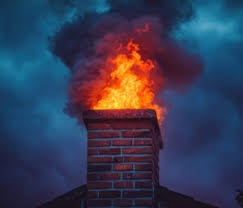
One of the greatest risks associated with chimneys is the buildup of creosote, a highly flammable residue created when wood burns. Even thin layers of creosote can ignite, creating intense, fast-moving chimney fires that may go unnoticed until they spread to the walls, attic, or roof.
The Chimney Safety Institute of America (CSIA) reports that chimney fires are often explosive in nature, producing cracking sounds, dense smoke, and flames that can escape the top of the chimney. Learn more here:
https://www.csia.org/chimneyfires.html
A certified chimney sweep can identify creosote buildup early and remove it before it becomes a serious hazard. A proper Level 1, Level 2, or Level 3 chimney inspection—depending on your system and recent changes to your home—provides deep visibility into areas most homeowners never see.
2. Inspections Reduce the Risk of Carbon Monoxide Poisoning
Carbon monoxide (CO) is invisible, odorless, and deadly. When a chimney is obstructed or damaged, CO may fail to vent properly and instead seep back into the home.
Common chimney-related causes of CO exposure include:
-
Damaged or cracked chimney liners
-
Blocked flues from debris or animal nests
-
Soot accumulation
-
Poor ventilation setup
-
Inefficient wood-burning appliances
The CDC warns that hundreds of people in the U.S. die each year from unintentional carbon monoxide poisoning:
https://www.cdc.gov/co/faqs.htm
Routine inspections ensure that your chimney is fully open, structurally safe, and drafting correctly—helping protect your family from this silent threat.
3. Routine Chimney Inspections Save You Money Long Term
A neglected chimney doesn’t just pose safety risks—it can also lead to significant repair costs. Small issues such as minor cracks, loose bricks, or deteriorating mortar joints can worsen quickly, especially in areas with harsh winters or heavy rainfall.
An inspection can catch:
-
Early water damage
-
Cracks in the chimney crown
-
Damaged caps or flashing
-
Compromised masonry
-
Chimney liner deterioration
Addressing these problems early can save homeowners hundreds to thousands of dollars compared to the cost of full chimney rebuilds, smoke-chamber repair, or interior home restoration due to leaks.
4. Increase Home Value & Meet Insurance Requirements
Many insurance companies require proof of annual chimney inspections, especially if your home features a wood-burning appliance or active fireplace. Without this documentation, a claim related to chimney damage or house fires may be denied.
In addition, a well-maintained chimney appeals to potential buyers. Homes with certified chimney documentation often sell faster and at higher value because buyers gain confidence knowing a vital part of the home is safe and up to code.
For industry standards and inspection guidelines, consult the National Fire Protection Association (NFPA):
https://www.nfpa.org/
5. Improved Heating Efficiency & Better Indoor Air Quality
A clean and efficient chimney allows your fireplace or wood stove to generate better heat output while using less fuel. When the chimney is dirty or obstructed, fireplaces burn poorly, produce more smoke, and force particulates into the living space.
A proper inspection ensures:
-
Better airflow
-
More efficient combustion
-
Reduced smoke output
-
Less indoor soot and dust
-
Healthier indoor air quality
This is especially important for families with allergies, children, or pets.
6. Prevent Water Damage & Structural Decay
Because chimneys rise above the roofline, they face constant exposure to rain, snow, UV rays, and freezing temperatures. Without maintenance, water penetration becomes a serious threat.
An inspection can identify early signs of:
-
Leaks around the flashing
-
Cracked crowns
-
Masonry erosion
-
Rusted dampers or fireboxes
-
Mold and mildew buildup
Water damage spreads quickly through walls, ceilings, and insulation. Stopping this at the source—your chimney—prevents far more expensive repairs down the road.
Final Thoughts: Annual Chimney Inspections Are One of the Smartest Home Investments
Whether your fireplace is used regularly or only for holiday gatherings, an annual chimney inspection is essential for home safety, energy efficiency, and protecting your investment. From preventing chimney fires and carbon monoxide poisoning to saving thousands in repairs, routine inspections offer peace of mind and long-term value every homeowner should prioritize.
Power Keywords for SEO:
Chimney inspection, chimney sweep, fireplace safety, chimney maintenance, creosote removal, chimney fire prevention, carbon monoxide protection, chimney cleaning service, certified chimney professional, chimney repair, home safety maintenance, annual chimney check.